

Andy Brown: The legend


On the 16th of March in the year 2012, Zimbabwe, and indeed the entire music world, lost an incredible musician Andy Brown, just a day after his 50th birthday. The story of his life, we will leave for another day.
On the African Calabash Radio, we celebrate his music, from his days with Don Gumbo, Busi Ncube and the guys in Ilanga, to his work fronting the band The Storm. His career was also interwoven with that of his ex wife, another legend Chiwoniso Maraire. He left behind a very rich music legacy and very talented kids, all of them, among them musician Alex Brown and of course songstresses Ammara and Chengeto Brown.
This month, we let the music do the talking as we remember this giant!
CHIWONISO MARAIRE
Special Tribute
50th Birthday

March 5th would have marked the 50th birthday of the legendary mbira songstress Chiwoniso Maraire. More news and reflections on her remarkable life and musical legacy will follow. As we move along, we will dedicate an entire set to her timeless music, which will also soon be available on our Listen Again feature.
Saluting the Jovial Gentleman of Jazz
Friday Mbirimi


-
-
He was not just a musician; he was a teacher, an advisor, and an encourager to countless talents. At African Calabash Radio, we do not just spin records; we curate a living history. Today, we pay solemn and joyous tribute to a giant of the soil, a man whose rhythm was the very heartbeat of our continent’s music history. We commemorate the life and legacy of Friday Mbirimi, the jovial gentleman of Zimbabwean Jazz.
Born on a Friday in 1943 in the vibrant Mbare township of Harare—a community that served as a crucible for some of Africa’s greatest artists—Friday Mbirimi was born into rhythm. Growing up, he was nurtured by the hectic musical environment of Mbare, where jazz was not just a genre, but a complementary companion to daily life. Though encouraged to focus on school, his true calling was undeniable, and he quickly learned to master both, pursuing music and his education simultaneously.
Mbirimi's legacy is defined by his versatility and commitment. A brilliant academic (he earned an honours degree in English), he was best known as a vocalist and a profound drummer, playing a pivotal role in shaping the highly respected Harare Mambos band throughout the 1980s and 1990s. His artistry was defined by unique vocal arrangements and an uncanny ability to combine music, dance, and even comedy into a captivating spectacle. When Friday stepped onto the stage, your eyes were glued to the performance.
His most enduring contribution, however, came with the legendary outfit Mbare Trio, which he founded to honor the township that groomed his artistry. It is fitting that he named his iconic vocal group Mbare Trio, in honor of the township which groomed and nurtured his artistic soul. The group consisted of William Kashiri, Friday’s brother Lovejoy Mbirimi (who died in August 2020), and Friday himself. Sometimes their younger brother, Clancy, joined them, as well as younger sister Beaulah. Combined with their keen sense of jazz, comedy, and dance, they created an amazing energy that took township jazz to another level.
Their classic songs, like those on their CD, Uru Rufaro, remain testament to Friday's pure magic. He was a serious and disciplined jazzman who took township jazz to another level.
Beyond his performance career, Friday was a revered teacher, adviser, and encourager. He served as the acting principal of the Zimbabwe College of Music (ZCM) and mentored countless new musical talents as a lecturer between 2004 and 2007. The National Arts Council of Zimbabwe (NACZ) rightly mourned the nation’s loss of a well-loved musician, songwriter, singer, and bandleader whose wisdom and wise counsel will be missed by scores of musicians.
Friday Mbirimi was not simply a recording artist; he was a master entertainer who lived to perform. He thrived on contracts that assured him a salary to raise his family and set an example for professionalism in the industry. Though he passed on April 6, 2021, his spirit, his humor, and his melodies continue to resonate. As we remember him today, we don't just mourn his passing, but celebrate the "Friday spirit"—the spirit that walked into a room and lightened it up with jokes, laughter, and a sincere love for people.
Today on African Calabash Radio, we say: "Friday Mbirimi, you are gone, but you will never be forgotten. Go well, Music Legend."
-
To start with, when growing up, we were encouraged to attend Sunday School lessons at Salvation Army church in Mbare. Friday, Clancy and Willis wouldn't go all the way yo church but went to Mai Musodzi Hall or to Stodart Hall to play guitars. Then they would wait for us and ask what we'd learnt, then relate it to our parents as though they had attended church.
That's how they started their music career. Lovejoy went with us to church but later joined big brother Friday as he easily belted out his baritone in Mbare Trio.
Friday played a very important role in my education. He was responsible for my fees and was my high school teacher at Howard Institute. I was in the top 3 in English language and English literature, thanks to my brother Friday.
Fast forward, he ended up his career at one of the top companies in Harare after he had realized that some workers were not being paid whilst most, him included were being paid. He therefore resigned and the post was frozen so that the other workers would be paid.
He's one person, apart from big brother Lemuel Tsikirai who encouraged me to sing in public.
I miss him🙏🏽
Beaullah Mbirimi
-
He could speak "English like English" (kutaura Chirungu seChirungu. In a strong authoritative but friendly voice.
He was particular about the pronunciation of words correctly.
Which takes me to how he earned his nickname during those days.
He had a number of jeans which were labelled HOMBRE. He was fashion conscious and well dressed and for the occasion almost always.
So we pronounced it as it looked to us as "HOMBREE".
When he got to know about it he corrected in class and said "It's not HOMBREE" it's pronounced "HOMBER" "HOMBA for the Shona speakers 🤣🤣🤣"
Well I wish it was the end of it. It somehow became his nickname. And not the correct pronunciation but the wrong pronunciation HOMBREE.
When he got to know it he just said if you want to give me a name pronounce it well and laughed.
I now move on to his other passion which was music.
Mr Mbirimi was part of a band that used to play for students some of the weekends. They were 3 teachers including Mr Austin Zvoma (former Speaker of Parliament) and Mr Lemuel Tsikirayi (now late and was former Executive at BP and Shell). The band was called The Zeppelins. They used to play a lot of cover versions of popular songs during that time.
Students loved rock and pop. They delivered.
Mr Mbirimi was the drummer. You would see his talents on the song Get Ready by Rare Earth. It's a 21 minute song with a long portion played by the drummer only.
The students really loved them and wished they played every weekend. But a Salvation Army school just saw us not getting enough.
The band used to play in the city during some weekends.
Don't ask me where please. I was an underaged teenager who was "locked up" in the school yard and during holidays too young to go to venues where adults enjoyed themselves 🤣🤣🤣
He had a car but I can't really recall the make and model. But he would just say "vapfanha" fundai mutenge dzenyu.
One day he just said if it wasn't for his father he would have left academic education for music and wouldn't have gone to university.
Then he just said I have said too much but I thank my father. Never talked about it again.
He loved to crack jokes and tell stories. Always a happy soul during the period covered . But a strict disciplinarian for a man who loved playing, joking.
Played recreational football especially when there were teachers team vs students.
So when you hear me speak English or write it, you know where I was shaped and ndozvitemba.🤣
I met Mr Mbirimi a lot of times after he left teaching.
But I will only confine myself to the portion at school. I am sure others can cover that part better.
Rest In Eternal Peace my Teacher.
Chris Chamu Munyengeterwa
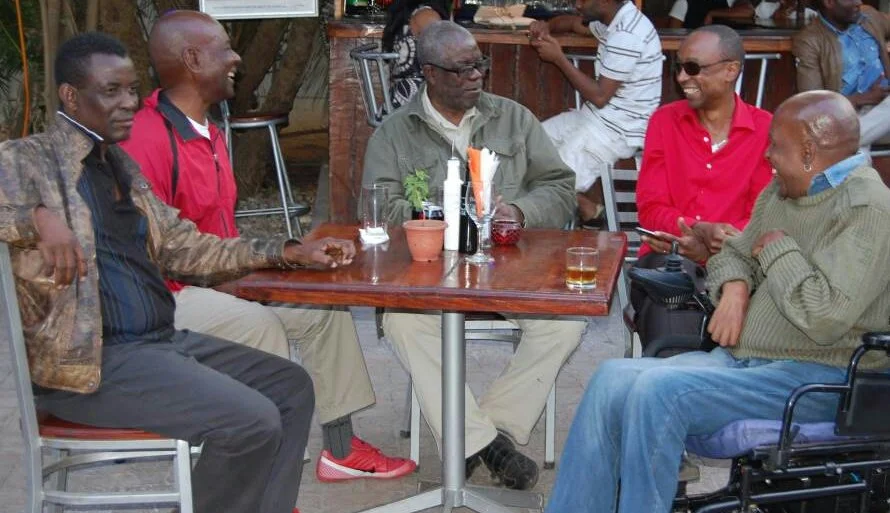
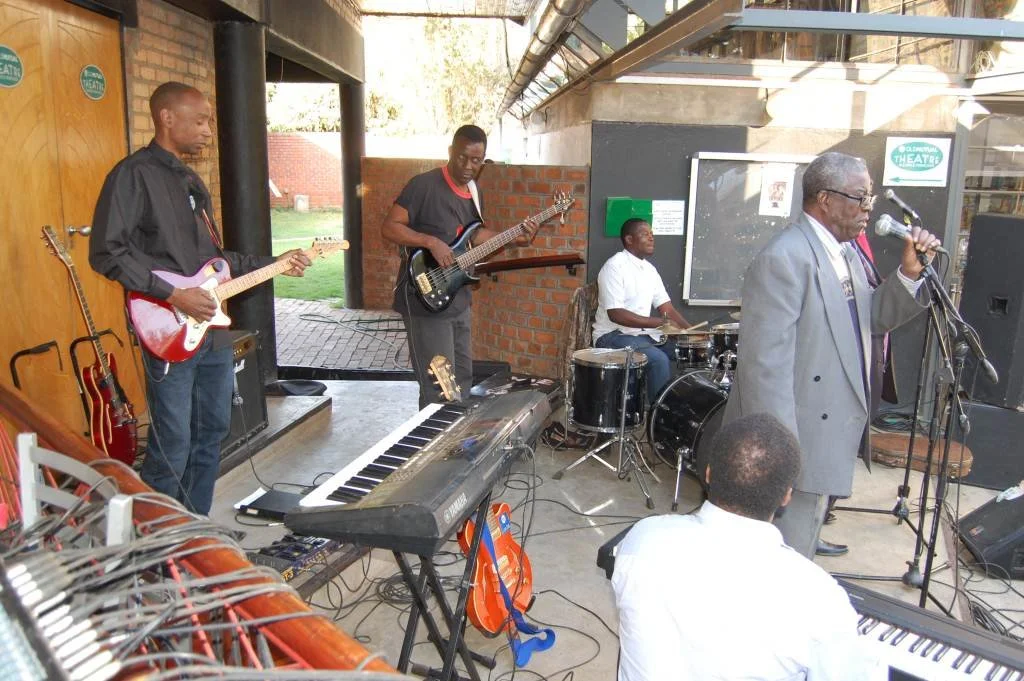
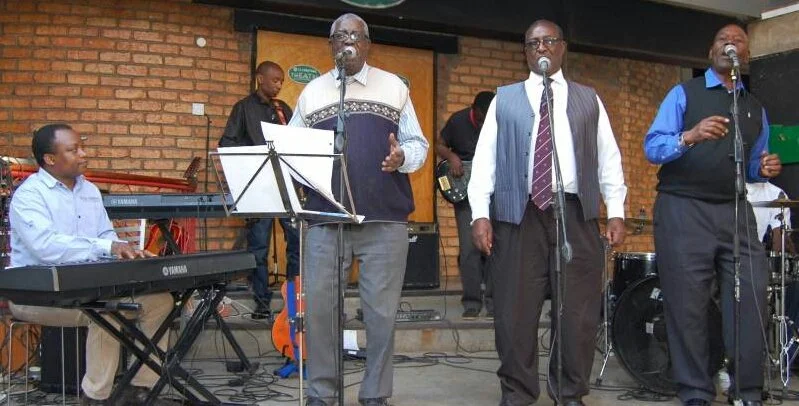
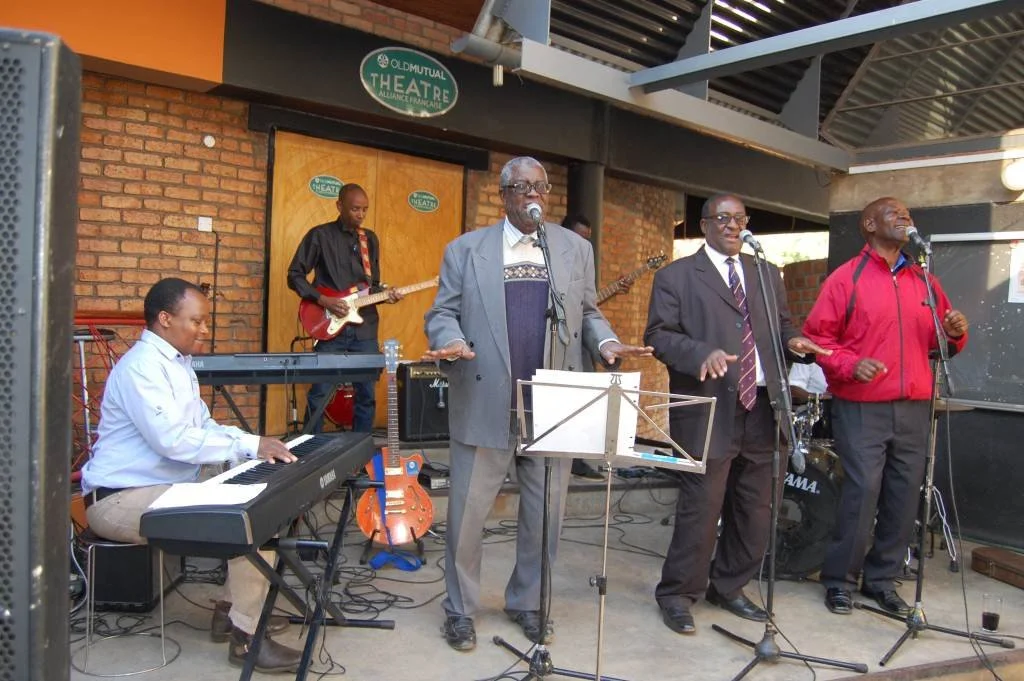
D_Train’s interview with Mbare Trio

Friday, after winning a MOMA award with Mbare Trio

Mbare Trio with
Oliver Mtukudzi
Mono Mukundu’s Friday Mbirimi Collection
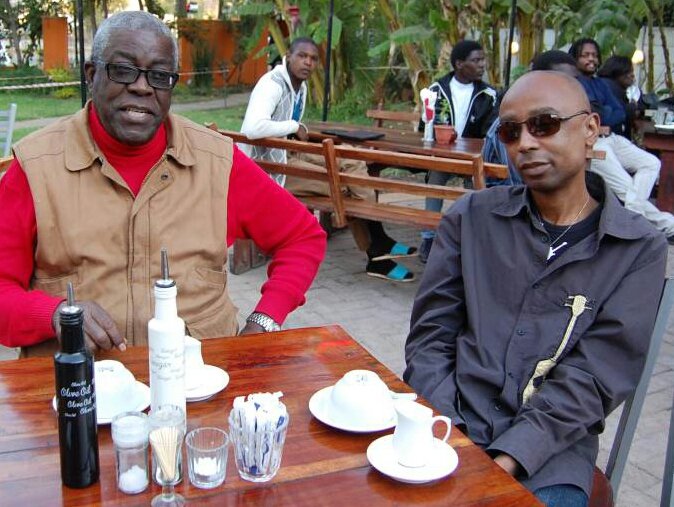
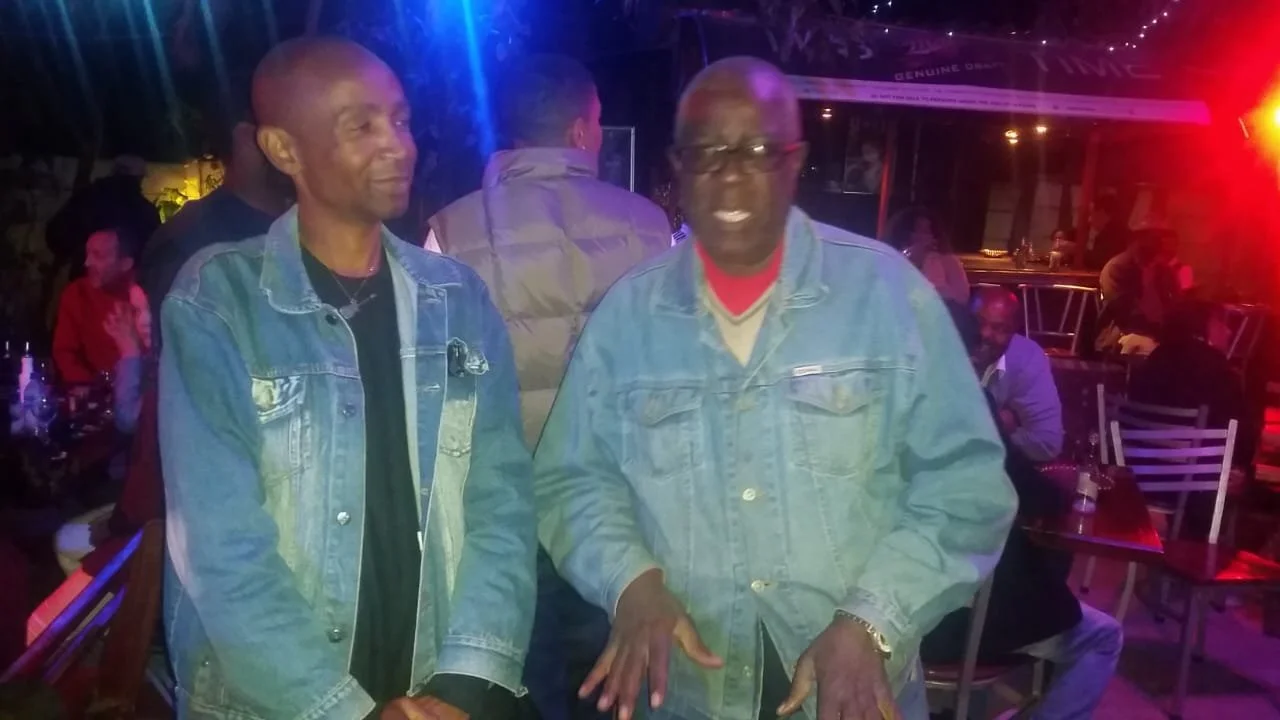
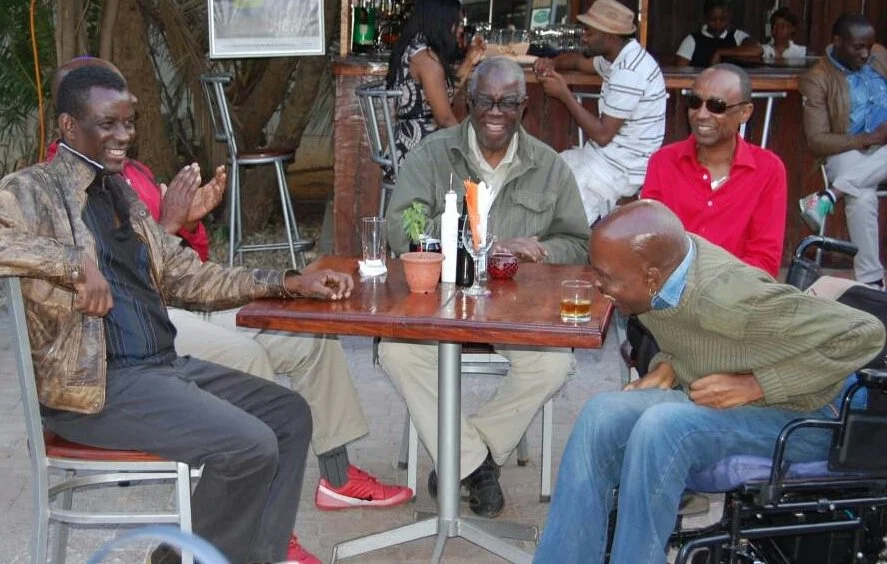
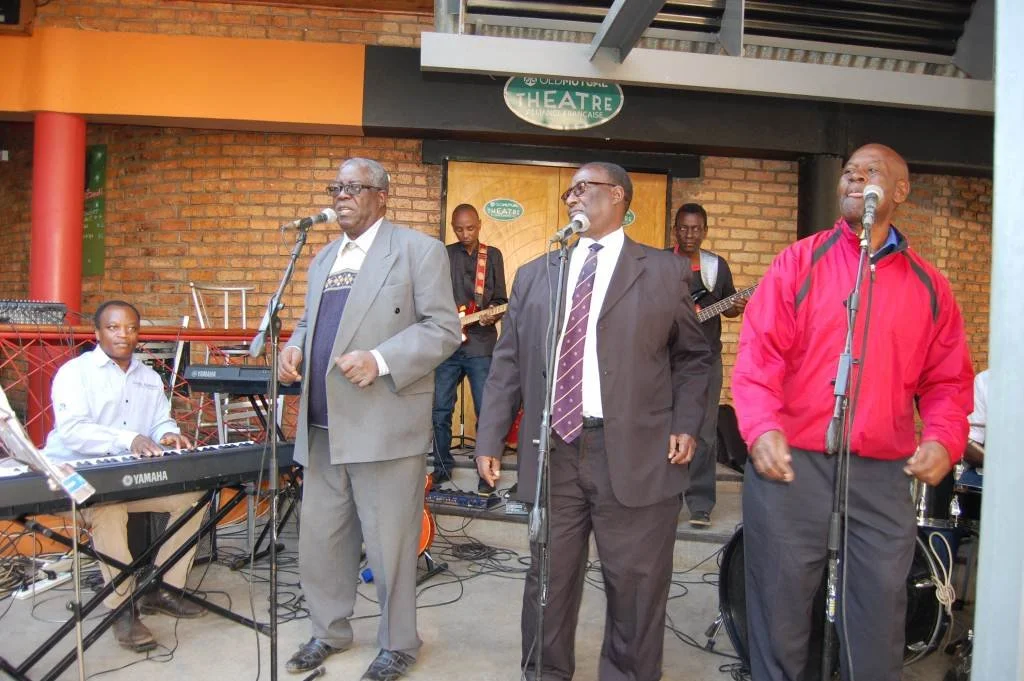
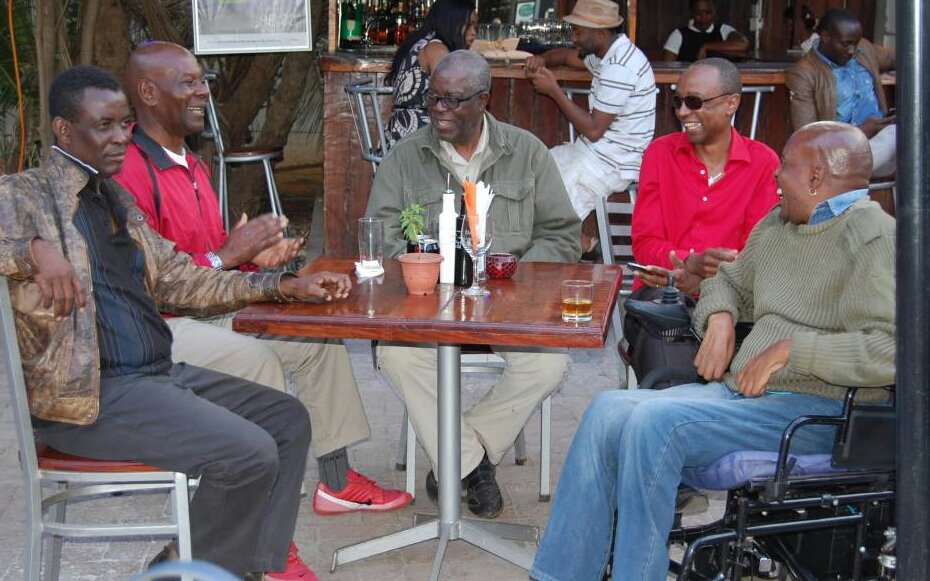

In Memorium
Leonard Dembo

-
-
Dembo’s early life was marked by the quiet struggles of rural upbringing, but his spirit was always tuned to the sounds of the guitar. By the early 1980s, he had found his way to the capital, joining groups like the Outsiders before eventually forming his own legendary outfit, Barura Express.
### The Sound of a Legend
What set Dembo apart was his distinctive "Barura" style—a fast-paced, guitar-driven fusion of Sungura and traditional rhythms that felt both modern and deeply ancestral. He wasn't just a singer; he was a master guitarist whose intricate melodies could weave stories even without lyrics.
### "Chitekete" and National Stardom
The peak of his career came in the early 1990s with the release of "Chitekete." The song became a cultural phenomenon, its poetic lyrics about a man seeking the hand of a beautiful woman echoing across radio stations and wedding celebrations alike. It remains one of the best-selling singles in Zimbabwean history, even being played at the Miss World pageant in 1996.
### A Lasting Legacy
Despite his massive fame, Dembo was known for being intensely private and humble, often shying away from the media spotlight to focus on his craft. He passed away at the young age of 37, but his legacy never faded. Today, his sons carry on the Barura Express name, and his music continues to be the soundtrack for generations of listeners who find joy, solace, and pride in the timeless strings of Leonard Dembo.
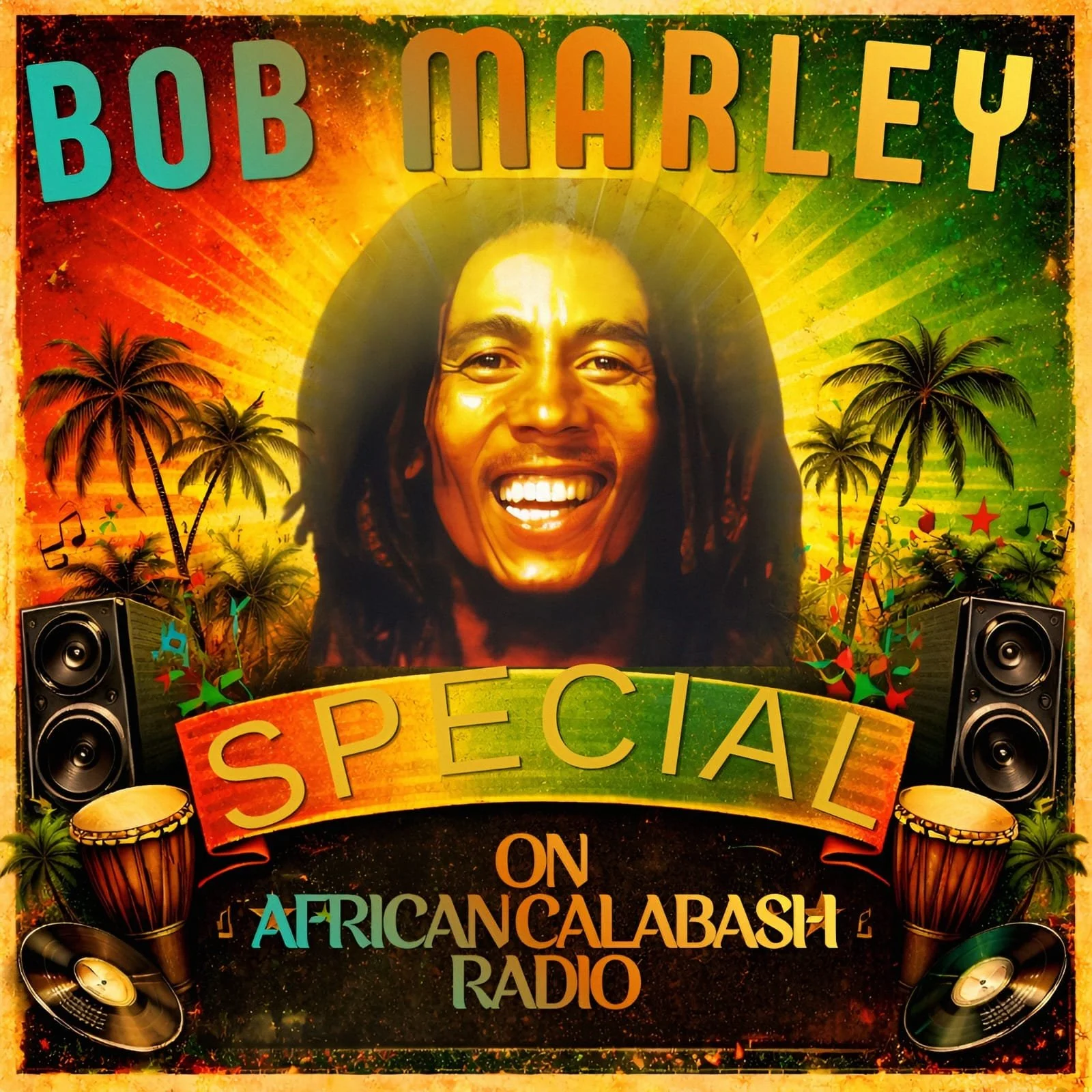
MaCopper and John The Boss did the unbelievable with this special.
An absolute classic show, paying tribute to the legendary Bob Marley — a voice of liberation and freedom through music.
And that one still stands out as a timeless classic—pure vibes, powerful moments, and unforgettable energy.


It Takes a Village…
Community Insights
Manna Academy, operating under the Human Values Education Trust (HVET), is a dedicated grassroots initiative striving to ensure that every child in Mbare has access to education by the end of 2026. Under the guidance of Project Co-ordinator Ms. Beaullah Taka Mbirimi, the academy focuses on reaching vulnerable children who have fallen through the cracks of formal education, offering them a chance to develop self-reliance and academic confidence. Since opening its doors in March 2026, the project has been working to provide these young learners with more than just a curriculum; it offers a structured environment that protects against the hardships of street life while aiming for the ambitious goal of total local enrollment by the end of 2026. As this community-driven effort grows, it remains open to those who wish to share ideas, resources, or moral support to help sustain the nutrition and educational tools these students need to thrive.


ARTISTE SPOTLIGHT
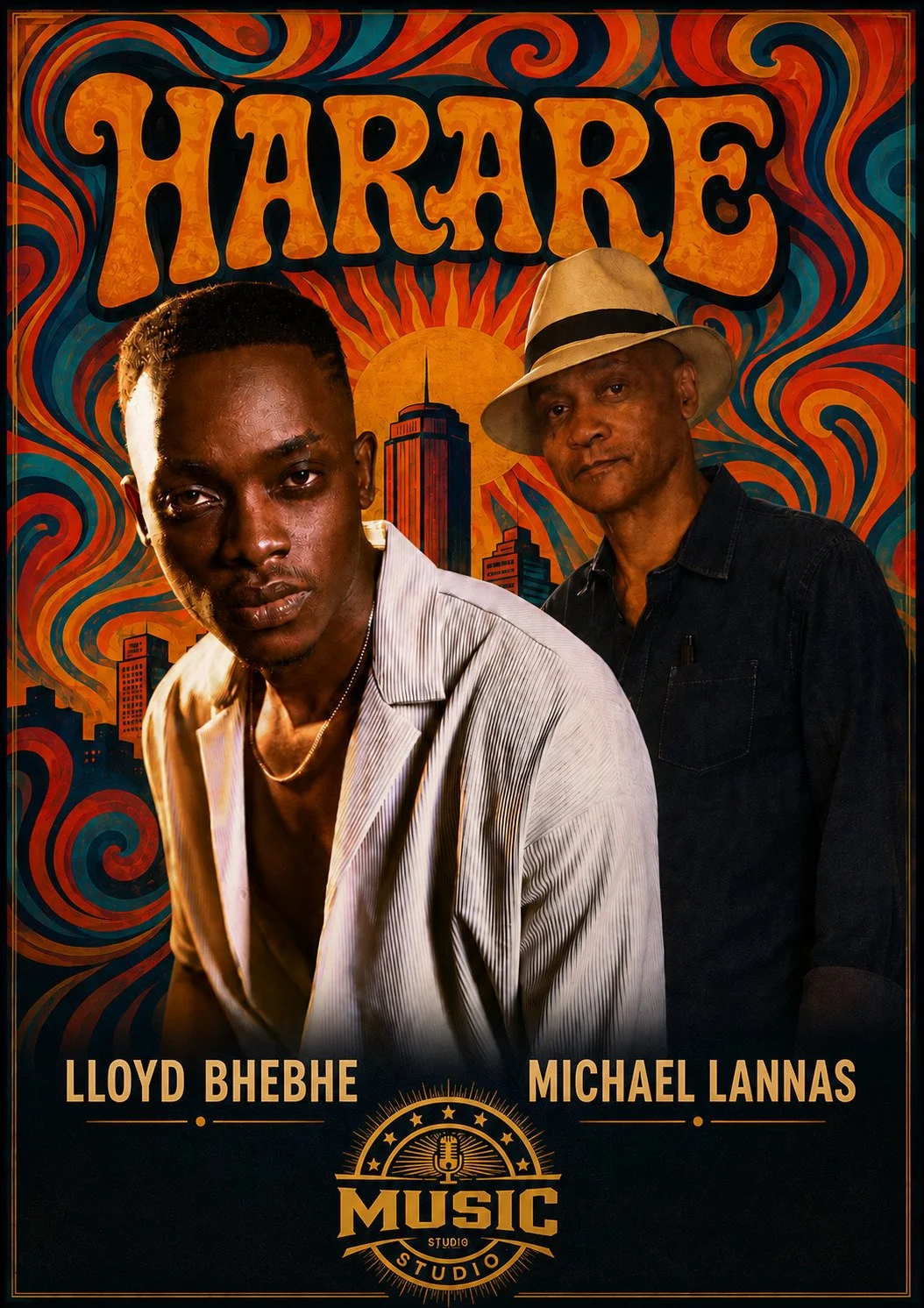
MICHAEL LANNAS
-
Surprisingly, “Hapana Mazwi” was not on a Talking Drum Album, it was the hit song on my solo album. I think it was a natural step to start recording my own music. Music is the language of the soul, capable of expressing what words cannot and touching the deepest parts of our being. I like being in a recording studio. I like hearing a song go from concept to original music ready for Radio and TV. Recording original music is an entirely different monster to playing covers of copyright songs. When recording you've got to capture as much of the room sound as possible. That's the very essence of it. Music is my hobby ; I am actually a qualified Clinical Pharmacist. But, as a apart-time musician I have probably achieved more with my music than most professional musicians will ever accomplish.
-
Music, at its essence, is what gives us memories. And the longer a song has existed in our lives, the more memories we have of it. Apart from Producing all the Talking Drum Albums and singing Lead Vocals, I also played all the Lead Guitar solos , except one, and played Drums, Keyboards and Bass Guitar on several of the songs. Many fail to realize this great recording industry was built by so-called jazz artists. And at the other end of the spectrum, a base in European classical music as well. I studied Classical Guitar and Jazz Guitar even before I started recording my songs. I wrote all the Talking Drum songs (except two) and I managed the Band. Music is an important part of our Zimbabwean culture and recording music plays a vital part in keeping the power of music alive . As Talking Drum we performed alongside the greatest of the greats in African Music, including Hugh Masekela, Miriam Makeba, Johnny Clegg & Savuka, Ray Phiri and Stimela, Manu Debango and Youssou N'Dour Senegalese singer-songwriter. When I'm recording something (especially because I produce my own music) I might consider how hard it would be to replicate a song on stage. Normally, you go into the recording studio, make a record and then take it on the road and you think... wow... I could have done THIS to it, or something. If anything, I don't have any intention of recording music that's just me "playing acoustic guitar and singing a song" anytime soon. I have recorded Ten Albums in total. However, my latest album, released this week, “HARARE” in my estimation, is the best album that I have ever recorded . I would be involved with music whether I had a career or not. I'm always going to be writing songs and recording them. The Drum continues to Talk.
Posted by Michael Lannas TALKING DRUM MUSIC 🌍🇿🇼🔥🪘
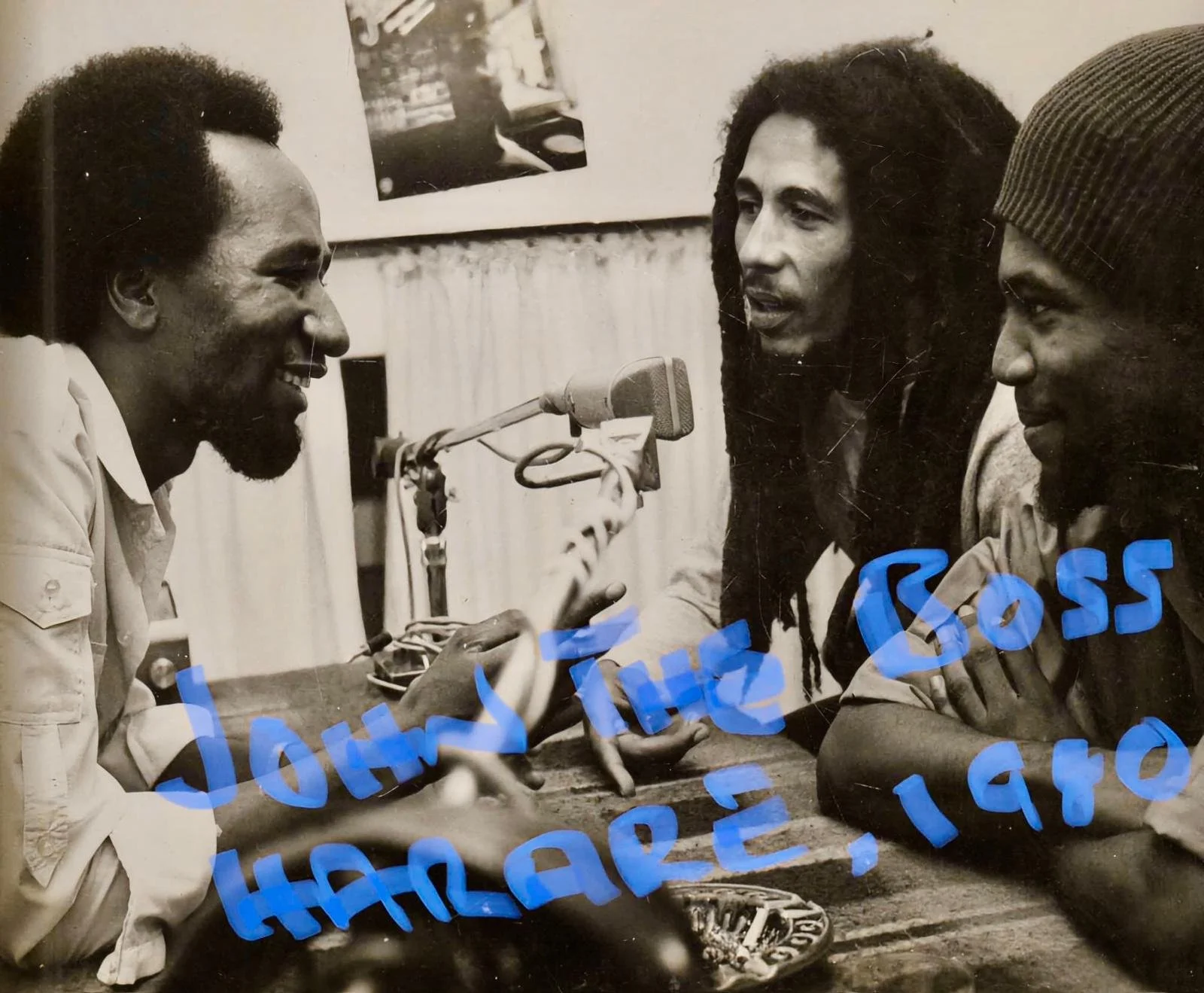
To commemorate the day we lost the GOAT in reggae music, this week we play his music on repeat . There can never be too much of Bob Marley.
Abdullah Ibrahim; a gift to the world from Africa!
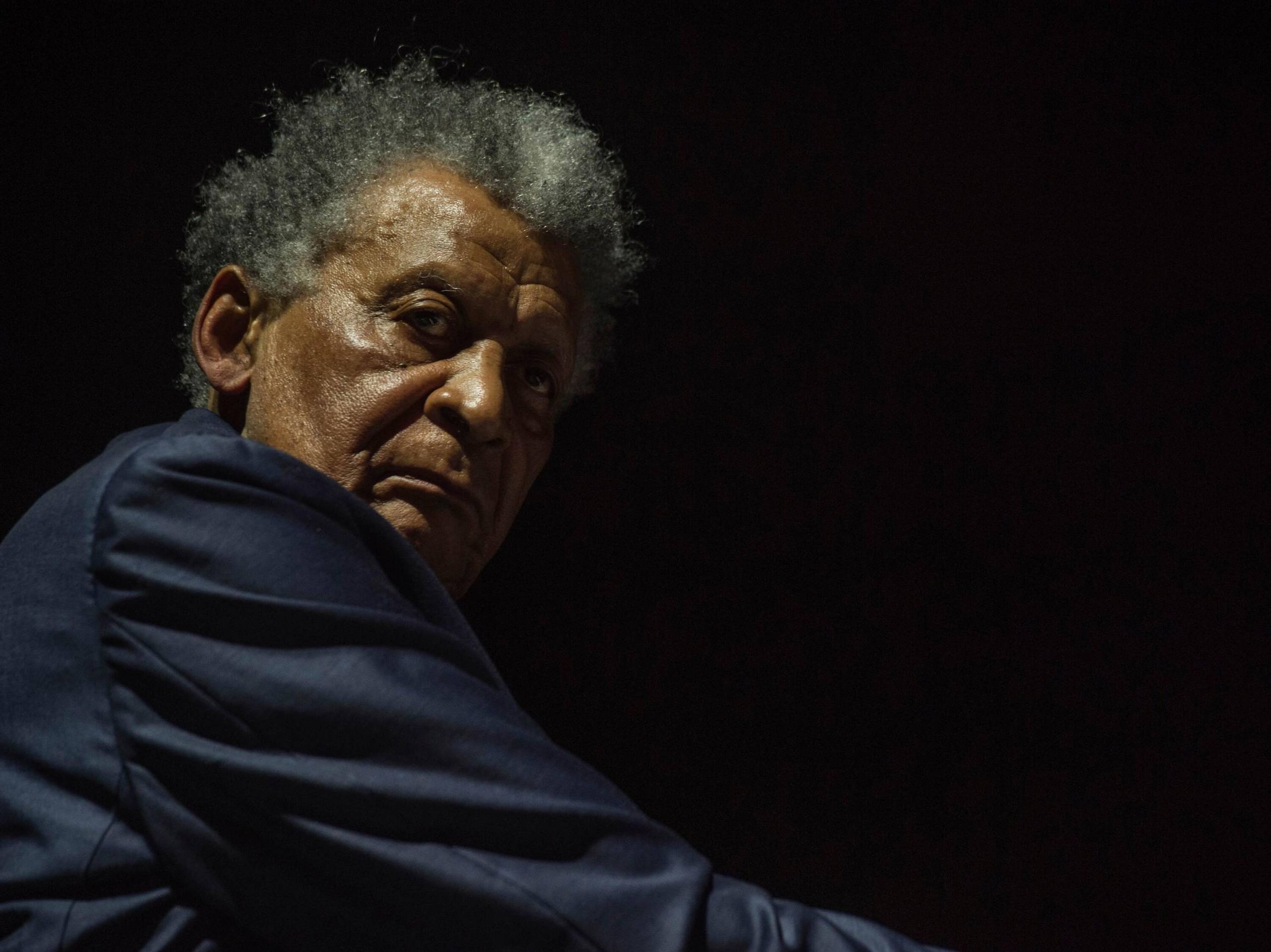
Celebrating the Life & Legacy of Abdullah Ibrahim (Dollar Brand)
October 9, 1934 – 2026 • The Musical Voice of a Revolution🎵 Listen: Special Tribute Broadcast
The Voice of a Movement The global jazz community mourns the passing of Abdullah Ibrahim, the legendary South African pianist and composer formerly known as Dollar Brand. Born in Cape Town in 1934, Ibrahim became the definitive musical voice of the struggle against apartheid. His unique style seamlessly fused the traditional rhythms of Marabi, gospel melodies, and modern jazz, creating a powerful sonic landscape that resonated far beyond the borders of his homeland.
The Soundtrack of Liberation In 1974, Ibrahim recorded his masterpiece, "Mannenberg," an instrumental track that instantly became an unofficial national anthem for the anti-apartheid movement. The track captured the pain, resilience, and unyielding hope of the residents of the townships. When Nelson Mandela was famously asked about the impact of Ibrahim’s music during his imprisonment, he remarked that the pianist's melodies were proof that "liberation is in the air."
A Life in Exile and Return Forced into exile in the 1960s after his music was effectively banned by the regime, Ibrahim took his distinct sound to Europe and the United States, famously championed by jazz icon Duke Ellington. He used his international platform to keep the global spotlight on South Africa's struggle. Returning home triumphantly after Mandela’s release, he performed at Mandela’s presidential inauguration in 1994, closing a historic circle of art and activism.
An Enduring Legacy Even in his later years, Ibrahim continued to tour and record, his piano playing growing quieter, more spiritual, and deeply meditative. He leaves behind an unparalleled discography that serves as a masterclass in musical storytelling and cultural preservation. For our station and listeners worldwide, his melodies will forever remain a reminder of the power of music to resist oppression, heal divisions, and celebrate the human spirit.
9 October 1934, Cape Town, South Africa
15 June 2026 (age 91 ), Germany